IoT Connectivity Solutions Common IoT Connectivity Technologies and Use Cases
The Internet of Things (IoT) represents a network of interconnected gadgets, permitting them to communicate and share information with one another. This interconnectedness relies closely on numerous forms of connectivity to operate efficiently. Understanding how IoT connectivity works can illuminate the mechanisms behind this transformative technology - Cloud Connectivity In IoT.
At the core of IoT connectivity lies a mix of hardware, software, and communication protocols. Devices, typically geared up with sensors, are designed to gather data from their environment. These sensors can vary from easy temperature gauges to advanced cameras capable of performing picture recognition. Once information is collected, the device needs a method to relay this data elsewhere, whether or not to a local server or a cloud platform.
Wireless communication has emerged as a dominant mode of connectivity. For many IoT purposes, that is extra sensible than wired options due to simpler deployment and suppleness. Technologies such as Wi-Fi, Zigbee, Bluetooth, and cellular networks play very important roles in enabling units to connect with the web or to 1 another. Each of those technologies provides distinctive advantages relying on the precise use case.
IoT Sim Connectivity Choosing the Right IoT Connectivity Option
Wi-Fi is prevalent in city environments for connecting units to the web. Its high bandwidth allows for giant knowledge transfers, making it best for purposes that require real-time streaming or heavy knowledge masses. However, it won't be one of the best solution in remote areas where dependable web entry could be inconsistent - IoT Connectivity Management Platform.
Zigbee and Z-Wave, then again, are tailored for low-power gadgets that talk small quantities of information over brief distances. They are particularly helpful in smart houses, the place units like gentle bulbs, locks, and thermostats work together seamlessly. The low energy consumption is a crucial issue, allowing units to run for extended durations on small batteries.
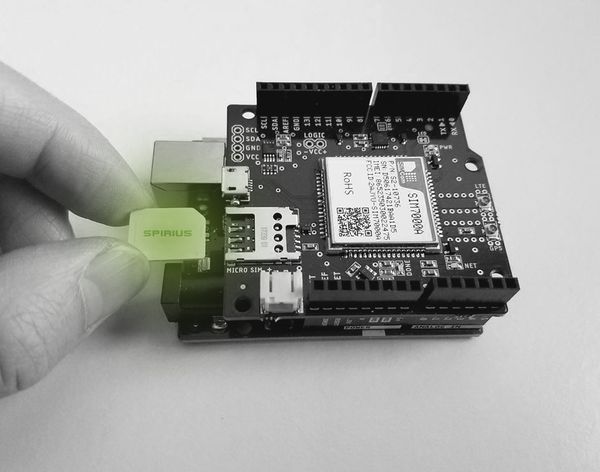
Bluetooth is another widely used technology, especially for personal devices. It offers an easy technique for connecting units like smartphones and wearables. With the arrival of Bluetooth Low Energy (BLE), it's now potential for units to take care of a connection whereas consuming minimal energy, which is essential for battery-operated IoT devices.
Cellular connectivity extends the reach of IoT units significantly. Technologies like 4G and the emerging 5G networks enable devices to connect even in areas devoid of Wi-Fi or different native options. This capability is especially useful for purposes like vehicle tracking, where mobility and a stable connection are critical. However, cellular choices can incur larger operational prices compared to different strategies.
IoT Connectivity Comparison Management of IoT Connectivity
LoRaWAN (Long Range Wide Area Network) supplies an alternate for long-range connections with low power requirements. This expertise permits units to communicate over a quantity of kilometers while using little or no energy. It is particularly suited for agricultural monitoring, environmental sensing, and smart metropolis functions, the place devices may be unfold out over large areas.
Once information is transmitted, it sometimes goes to cloud servers for processing and storage. Cloud computing offers scalable sources and complicated analytics capabilities. This environment enables real-time analytics, machine studying algorithms, and the potential for integrating artificial intelligence into IoT systems. Processed knowledge can then be sent again to end-users via varied interfaces, similar to mobile apps or net dashboards.
The integration of security measures is important in IoT connectivity. Since IoT devices usually transmit sensitive data, they will turn into prime targets for cyberattacks. Encryption protocols are needed to guard knowledge throughout transmission. Furthermore, system authentication helps be positive that communications are real and secure. Manufacturers and builders must prioritize safety to build trust in IoT techniques.
What Is IoT Connectivity? Comparison Guide for IoT Connectivity
Interoperability poses one other challenge in IoT connectivity. As countless units come from completely different manufacturers, they could use varied communication protocols, which can lead to compatibility points. Standardization efforts, corresponding to those from the Internet Engineering Task Force (IETF), help mitigate these considerations. Open standards and frameworks goal to create an ecosystem in which numerous units can seamlessly talk with each other, enhancing functionality and user experience.
Edge computing is remodeling how information is processed in IoT systems. By transferring data processing nearer to the supply, latency is considerably reduced, and bandwidth usage can be optimized. Edge units can analyze knowledge in actual time, facilitating faster decision-making. This methodology is especially advantageous in scenarios where quick responses may be important, corresponding to automated industrial systems or healthcare monitoring.
As IoT technology continues to evolve, innovations in connectivity will facilitate a surge in applications in numerous sectors, including healthcare, agriculture, transportation, and smart cities. Healthcare, for example, employs IoT units for distant affected person monitoring, enabling healthcare providers to trace important signs in actual time. Smart agriculture makes use of IoT sensors to monitor soil situations, optimizing useful resource allocation and enhancing crop yields (Connectivity iot connectivity plan Management IoT).
IoT Connectivity Managementplatform M2M Connectivity Solutions in IoT
In the smart transportation sector, traffic management methods utilize IoT connectivity to enhance visitors circulate, scale back congestion, and improve security. Sensors put in on roads talk data about vehicle speeds, enabling real-time adjustments to site visitors indicators. This integrated approach can significantly improve city mobility and reduce environmental impacts.
In conclusion, understanding how IoT connectivity works uncovers the intricate web of technologies and protocols that make up this revolutionary ecosystem. The ability for gadgets to communicate and share knowledge varieties the inspiration for quite a few purposes that enhance efficiency, security, and quality of life. As new connectivity technologies emerge and present ones advance, the possibilities for IoT purposes will proceed to expand, driving innovation and reworking varied sectors.
- IoT connectivity relies on sensors and units that acquire data, which is then transmitted over numerous networks to central hubs or cloud techniques for processing and analysis.
- Different communication protocols, similar to Wi-Fi, Bluetooth, Zigbee, and cellular networks, allow devices to connect and talk primarily based on their specific requirements and energy constraints.
- Edge computing plays an important function in IoT connectivity by processing data near the source, lowering latency and bandwidth consumption whereas enhancing real-time decision-making.
- Gateway devices serve as intermediaries, translating knowledge between various IoT gadgets and cloud platforms, thereby guaranteeing interoperability and system integration.
- The use of MQTT (Message Queuing Telemetry Transport) and CoAP (Constrained Application Protocol) enhances communication efficiency, significantly for devices with limited processing power and bandwidth.
- Security protocols, together with encryption and authentication strategies, are important to safeguard information because it travels through various networks, ensuring units remain proof against cyber threats.
- Wide Area Networks (WANs) and Low Power Wide Area Networks (LPWANs) are tailored specifically for IoT, enabling extensive coverage and supporting numerous units while consuming minimal power.
- Cloud platforms act as repositories for IoT knowledge, offering advanced analytics, machine learning capabilities, and storage solutions, enabling enterprises to derive actionable insights.
- Dynamic networking and self-healing capabilities ensure that IoT methods can adapt to modifications within the environment or community circumstances, sustaining seamless connectivity.
- Interoperability standards are being developed collaboratively by business consortia to enable a diverse range of IoT units to communicate effectively, fostering a more integrated ecosystem.undefinedWhat is IoT connectivity?undefinedIoT connectivity refers to the way units and sensors are linked to the internet to gather and change data. This connectivity permits seamless communication between devices, permitting them to behave upon the info they obtain.
How do IoT devices talk with each other?undefinedIoT gadgets communicate utilizing varied protocols and standards like Wi-Fi, Bluetooth, Zigbee, and cellular networks. These technologies enable gadgets to send and obtain data, facilitating real-time evaluation and decision-making.
M2M IoT Connectivity Definition of Internet of Things
What role does the cloud play in IoT connectivity?undefinedThe cloud acts as a centralized hub where information from IoT devices is stored, processed, and analyzed. It provides scalability and adaptability, permitting for efficient knowledge administration and easy accessibility from a number of units.
What are the safety issues associated with IoT connectivity?undefinedCommon security considerations include unauthorized entry, information breaches, and insecure devices. Effective security measures like encryption, regular software program updates, and community segmentation are essential for safeguarding IoT systems.
IoT Connectivity Companies Benefits and Use Cases of Connectivity Technologies
How does IoT connectivity influence everyday life?undefinedIoT connectivity enhances everyday life by enabling smart house units, enhancing healthcare through remote monitoring, optimizing transportation systems, and facilitating environmental management, leading to elevated comfort and effectivity.
What are the primary challenges of IoT connectivity?undefinedChallenges embrace network reliability, compatibility among completely different units and protocols, data privacy concerns, and the need for efficient energy administration. Addressing these points is important for the widespread adoption of IoT technologies.
How are IoT units powered?undefinedIoT units can be powered by way of numerous means, including batteries, power over Ethernet (PoE), and solar energy. The alternative is dependent upon the system's location and meant use, balancing power effectivity with operational continuity.
IoT Connectivity Platform Six Major IoT Connectivity Technologies
What industries benefit the most from IoT connectivity?undefinedIndustries similar to healthcare, agriculture, manufacturing, and transportation are among the many top beneficiaries. IoT connectivity streamlines processes, enhances monitoring, and improves general productiveness in these see this sectors.
Can IoT connectivity work with out the internet?undefinedYes, some IoT options can operate in local networks or offline modes, using technologies like mesh networks. However, with out web entry, the aptitude for remote monitoring and data analysis is restricted.